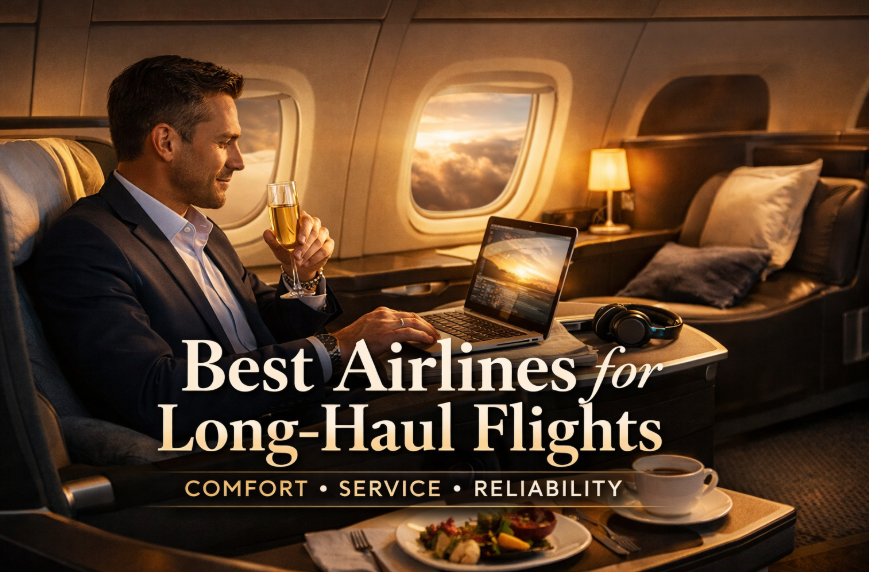
If long-haul travel is a marathon, your airline is the pair of shoes you choose. Pick wrong, and every mile hurts. Pick right, and even a 14-hour journey can feel like a slow, calm glide through the clouds—almost like time decides to behave for once. That’s why travelers obsess over long-haul comfort, inflight service quality, and airline reliability. Because on a long flight, tiny details become loud. A stiff headrest becomes a problem. A dry cabin becomes a headache. A delayed departure becomes a missed connection and a ruined plan.
So, what airlines actually deliver the best long-haul experience in 2025 and beyond—across economy class, premium economy, business class, and first class? This guide breaks it down with clear criteria, real-world comfort factors, and a practical shortlist you can actually use when booking.
Why Long-Haul Flight Quality Matters More Than Ever
Long-haul flights aren’t just “long.” They are a full-body negotiation with gravity, air pressure, noise, and time zones. On a 10–16 hour route, seat ergonomics, legroom, and cabin comfort become more than preferences—they become survival tools. When an airline offers better cushioning, smarter seat design, and a calmer inflight environment, your body arrives with less fatigue, your mind stays clearer, and your travel productivity goes up. In other words, a high-quality long-haul airline doesn’t just move you; it protects your energy like a premium service shield.
Meanwhile, the cost of a poor long-haul experience is sneaky but real. Low sleep quality impacts your immune system, your mood, and your ability to function after landing. Bad inflight food choices and weak hydration support make jet lag hit harder. And when service feels rushed or unreliable, the journey becomes emotionally noisy—like trying to nap next to a ringing phone. If you care about premium travel comfort, business travel efficiency, or even just arriving without feeling like a wrinkled receipt, airline quality matters more now than it ever did.
How to Choose the Best Airline for Long-Haul Comfort
Choosing the best long-haul airline is like picking a good mattress online—you can’t test it easily, so you need the right criteria. Start with the seat: seat pitch, seat width, recline design, and foot support matter in every cabin class. In economy, a few extra centimeters of knee space can change your entire posture. premium economy, a supportive leg rest and wider seat can turn “tolerable” into “pleasant.” In business class, the quality of lie-flat engineering is everything—because a flat seat that’s awkward is like a luxury hotel with a bad pillow.
Next, evaluate cabin environment and inflight systems. Newer aircraft typically offer better cabin pressure, improved lighting, and quieter engines, which can reduce travel stress over long distances. Then look at entertainment and connectivity: a strong inflight entertainment system, stable Wi-Fi, and accessible power outlets are not “extras” anymore—they’re long-haul essentials. Finally, check the airline’s service reputation and operational reliability. A comfortable seat means less if you experience recurring delays, chaotic boarding, or inconsistent cabin crew standards.
Best Long-Haul Airlines for Economy Class Comfort
In economy class, comfort is a game of inches—and attitude. The best long-haul economy airlines invest in seat design that supports posture, offer thoughtful meal timing, and maintain a cabin atmosphere that feels organized rather than crowded. Airlines known for strong economy experiences often provide better headrests, decent recline mechanics, and smarter inflight service rhythms, which matter a lot on overnight routes. When meal service is smooth and hydration is frequent, economy travel can feel less like endurance and more like a structured journey.
A strong long-haul economy experience also depends on reliability and consistency. The best airlines deliver predictable service quality across routes, not just on flagship flights. They keep cabins clean, manage temperature well, and communicate clearly during turbulence or delays. If you want the best economy value for long-haul flights, look for carriers with strong cabin crew reputations, modern aircraft fleets, and a track record of well-managed inflight operations. This is where comfort becomes a brand habit—not a lucky surprise.
Best Airlines for Premium Economy on Long-Haul Flights
Premium economy is the “smart upgrade” cabin—where comfort jumps noticeably without the full cost of business class. On long-haul routes, premium economy shines because it targets the biggest pain points: cramped knees, narrow seats, and weak rest support. The best premium economy products offer wider seats, deeper recline, upgraded meal service, and meaningful extras like priority boarding. It’s like moving from a crowded café chair to a supportive office chair—you feel the difference in your spine immediately.
A great premium economy long-haul experience also includes refined service pacing and calmer cabin culture. Many travelers choose this cabin because they want a quieter, more stable journey with better sleep odds. If the airline adds quality pillows, thicker blankets, and more personal space, premium economy becomes a powerful value option for comfort-focused travelers. For advertisers and premium brands, this cabin is gold because it attracts travelers who spend intentionally: they want comfort, convenience, and consistent quality, but they still care about smart pricing.
Best Airlines for Business Class Long-Haul Flights
Business class is where long-haul travel turns from “getting through it” to “arriving ready.” The best long-haul business class airlines deliver true lie-flat seats, privacy-focused layouts, high-quality bedding, and service that feels personal rather than procedural. A great business seat should support sleep naturally, with a flat surface that doesn’t tilt your body into awkward pressure points. Direct aisle access is a key comfort signal, because climbing over strangers at 3 a.m. is the opposite of premium travel.
Equally important is the ground-to-air experience. Business class isn’t just a seat—it’s an ecosystem. Priority check-in reduces stress. Lounge access improves your pre-flight comfort. Priority boarding prevents the chaos that drains energy before you even take off. The top business class airlines often feel like they have mastered the art of calm logistics, which makes long-haul travel feel smoother from the airport entrance to the final descent. When an airline nails business class reliability, service, and comfort, it becomes a favorite among frequent flyers and high-value corporate travelers.
Best Airlines for First Class Long-Haul Luxury
First class is rare, but when it’s great, it feels like flying inside a boutique hotel room. The best first class long-haul airlines offer suite-like privacy, elite dining, and personalized service that feels genuinely curated. This is where luxury travel becomes storytelling: high-end amenities, thoughtful cabin design, and a sense of exclusivity that makes time feel slower in a good way. On ultra-long routes, first class matters because it can transform travel into rest—real rest.
Luxury isn’t just about champagne and premium food; it’s about control. Control over sleep, light, temperature, privacy, timing, and space. The best first class airlines understand that premium travelers don’t just want upgrades—they want predictability and dignity. When the cabin crew anticipates needs, when the seat becomes a true private space, and when the overall service feels consistent, first class becomes less of a splurge and more of a “best possible long-haul solution” for travelers who value comfort at the highest level.
Comfort Categories That Separate Great Airlines from Good Ones
Here’s the secret: many airlines look similar on paper, but feel totally different in the sky. The gap often comes down to service style and cabin attention. Some airlines deliver warm, proactive cabin crew service that feels like hospitality. Others deliver minimal interaction that feels like a transaction. On long-haul flights, your emotional comfort matters as much as seat comfort. When service is calm, friendly, and consistent, the journey feels lighter—like the flight is working with you instead of against you.
Then there’s technology and entertainment. A strong inflight entertainment system with a wide content library, high-resolution screen, and responsive controls can make hours disappear. Reliable Wi-Fi is now a premium expectation, especially for business travelers who need productivity in the air. Power outlets and USB charging are no longer optional—they’re essential long-haul features. Airlines that invest in these details tend to win loyalty because they reduce friction, and friction is the true enemy of long-distance travel.
Reliability: On-Time Performance, Safety Culture, and Operational Strength
Reliability is comfort you can’t touch—but you can feel it in your stress level. A long-haul flight with delays, messy boarding, and unclear communication drains you before you even arrive. The best long-haul airlines prioritize operational discipline: strong scheduling, smart turnaround processes, and clear passenger updates. For travelers with connections, reliability isn’t a “nice-to-have”—it’s the difference between a smooth trip and an airport disaster.
Fleet and maintenance strategy also matter. Modern aircraft can improve cabin comfort through better air systems, quieter engines, and modern seating layouts. But reliability isn’t just about aircraft age; it’s about maintenance culture and operational consistency. Airlines with strong safety records and structured maintenance programs typically deliver more dependable long-haul experiences. When everything works—seat functions, entertainment screens, lighting, and cabin systems—the flight feels professional. And professionalism, on a 12-hour flight, is a form of peace.
Best Airlines for Long-Haul Flights by Region
In the Asia-Pacific region, many airlines are known for meticulous service, high cabin cleanliness standards, and refined inflight experiences. These carriers often excel in economy comfort and premium cabin hospitality, with strong entertainment systems and thoughtful meal service. Travelers often choose these airlines for long-haul routes because consistency is strong across the network, not just on one showcase route. If you want a reliable, comfort-focused long-haul experience, Asia-Pacific carriers are often a safe bet.
In the Middle East, the long-haul experience is frequently defined by ambitious premium cabins, strong onboard service, and global hub connectivity. Many travelers choose these airlines for business class and first class excellence, plus flexible route options through major international airports. In Europe and the Americas, top long-haul choices often come down to route availability, fleet modernity, and premium cabin upgrades. Some airlines shine with excellent business products; others stand out for their reliability and extensive networks—especially if you travel frequently across continents.
Smart Booking Tips to Maximize Comfort Without Overpaying
You don’t always need a bigger ticket to get a better flight—you need smarter strategy. Seat selection is one of the biggest comfort multipliers. If you’re tall, look for extra legroom seats or exit rows, but remember that some exit rows have fixed armrests or limited recline. Bulkhead seats can provide space, but they may have limited under-seat storage. The best approach is to choose a seat based on your travel style: sleep-focused travelers may prefer window seats; frequent restroom users may prefer aisle seats; noise-sensitive travelers may avoid galley zones.
Upgrades can also be timed for value. Some airlines offer discounted upgrades closer to departure, while others have bid systems where you can request a premium upgrade at your own price point. Loyalty programs can be powerful if you fly consistently, especially on long-haul routes where miles accumulate faster. The key is to treat comfort like a portfolio: mix strategic upgrades, smarter seat selection, and the right cabin choice for your needs. When you book with intention, long-haul comfort becomes achievable without paying maximum price.
What to Pack for Long-Haul Flights to Boost Comfort
Think of your long-haul packing list as a “portable comfort kit.” A quality neck pillow, a sleep mask, and noise-reducing earbuds or headphones can dramatically improve your rest quality. Hydrating skincare essentials help counter dry cabin air, especially on overnight flights. A lightweight hoodie or shawl gives you temperature control, which is underrated because cabin climates can change fast. And if you want to arrive looking fresh, small details like lip balm and hand cream make a surprisingly big difference.
Compression socks can be a comfort cheat code, especially on flights with long sitting time. Movement habits matter too: simple stretches, short walks, and hydration cycles can reduce stiffness and improve circulation. The best airlines help you by offering water service and comfortable cabin temperature, but your personal habits still influence how you feel at landing. When you combine strong airline quality with smart personal comfort tools, long-haul travel becomes dramatically easier—even enjoyable.
The Best Long-Haul Airlines Shortlist
If you want a practical shortlist, think in categories rather than one “winner.” The best overall long-haul airlines tend to combine comfort, service, and reliability in a balanced way. These are the airlines that make economy feel manageable, make premium cabins feel premium, and deliver consistency across routes. The best value long-haul airlines are those that offer strong comfort per dollar—especially in premium economy and business class upgrade opportunities. And the best for business travelers are airlines that prioritize punctuality, strong lounges, productive Wi-Fi, and calm logistics.
The smartest move is to pick your “best” airline based on your travel goal: do you want sleep, productivity, luxury, or maximum savings? Because long-haul travel is not one experience—it’s a spectrum. Choose the airline that matches your personal comfort formula, and your next long flight can feel less like a test and more like a smooth chapter in your journey.
Conclusion
The best airlines for long-haul flights don’t just carry passengers—they carry comfort, reduce stress, and protect your energy across oceans and time zones. When you choose an airline that invests in seat design, inflight service, entertainment, and operational reliability, you’re not just paying for a ticket—you’re buying a better arrival. Long-haul travel will always be long, but it doesn’t have to be painful. With the right airline and smart planning, your next journey can feel less like endurance and more like effortless motion through the sky.
FAQs
1) What is the most important factor for long-haul flight comfort?
Seat comfort and sleep support are usually the biggest factors, because posture and rest quality impact how you feel after landing.
2) Is premium economy worth it for long-haul flights?
Yes, premium economy is often worth it because extra legroom, wider seats, and better service can significantly reduce fatigue.
3) How do I choose the best seat for a long-haul flight?
Use a strategy based on your needs: window for sleep, aisle for movement, and avoid high-traffic areas near galleys and bathrooms.
4) What makes an airline “reliable” for long-haul travel?
Strong on-time performance, consistent service, clear communication, and a well-maintained fleet are key reliability signals.
5) How can I stay comfortable on a 12–16 hour flight?
Combine a good airline choice with a personal comfort kit, hydration habits, stretching, and smart seat selection to reduce fatigue.
Read More